
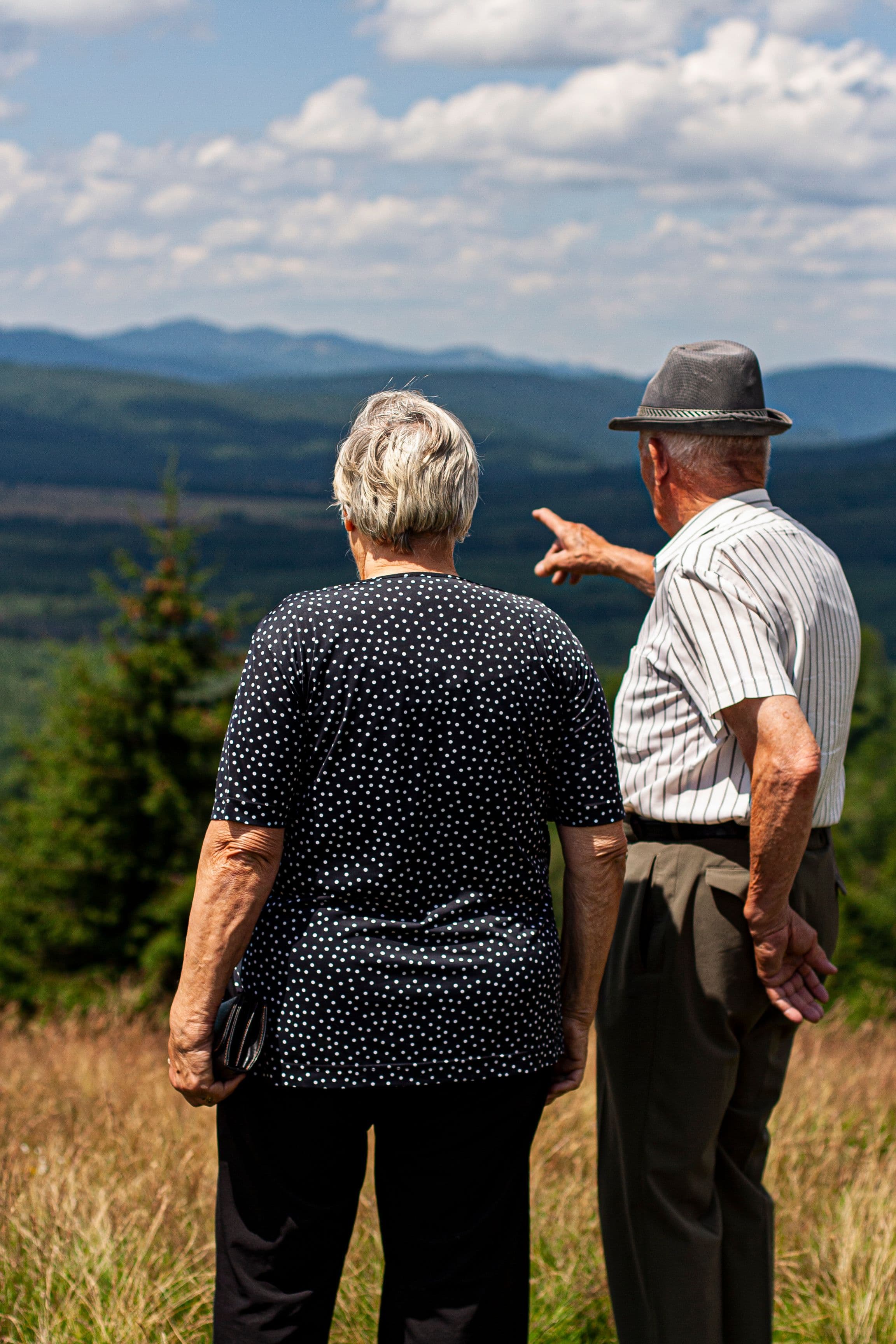
Traveling back to your roots is more than a vacation; it is a chance to stand where your ancestors once lived and to turn that experience into a lasting family legacy using thoughtful planning and digital preservation.
Journeys to ancestral villages sit at the intersection of genealogy, travel, identity, and digital memory, offering a powerful way to reconnect with personal heritage while creating new stories for future generations. Genealogy tourism, sometimes called roots tourism, describes travel undertaken by people who visit locations connected with their forebears to deepen their sense of belonging.
Academic research shows that these experiences can profoundly influence attitudes and emotions, particularly when travelers enter spaces that embody their personal heritage. However, meaningful visits require careful genealogical preparation, itinerary design, cultural sensitivity, and realistic expectations about what can be discovered.
This guide explores how to plan such a journey in a way that is historically informed, emotionally intelligent, and digitally sustainable. It demonstrates how MyHeirloom can help transform scattered notes, photos, and documents from your trip into an organized, secure, and enduring family archive.
Introduction: roots travel in a memory-saturated, fragmented digital world
Roots journeys have existed informally for generations, but they have become more visible and structured with the rise of genealogy websites, accessible archives, and global travel infrastructure. Genealogy tourism is now recognized as a distinct segment of the tourism market, defined by travelers whose destinations are chosen because of ancestral connections.
In many diaspora communities, traveling to an ancestral village carries emotional weight far beyond an ordinary holiday. While digital tools have made it easier to identify these locations, they have also multiplied the volume of information families must navigate, leaving data scattered across various platforms.
Many travelers grapple with practical and emotional questions: how much research is enough before booking tickets, what if records are incomplete, and how to connect with local people. Heritage travel guides stress that even partial information can support a meaningful roots journey if it is handled thoughtfully and contextualized properly.
Modern families often have thousands of digital photographs but know very little about the migration stories of their ancestors. Ordinary cloud storage and social platforms are optimized for short-term sharing rather than long-term intergenerational storytelling, creating a gap between the intensity of a roots journey and how its evidence is preserved.
This report outlines the conceptual foundations of genealogy tourism, provides best practices for pre-trip preparation, and analyzes on-site research techniques. It also explores how MyHeirloom can anchor your discoveries, transforming them into a sustainable family archive.
Understanding genealogy tourism and the experience of "going home"
Genealogy tourism has expanded alongside accessible records and increasing mobility among diaspora populations. Roots tourists seek personal heritage experiences by physically entering spaces associated with their ancestors, such as villages, homesteads, churches, and cemeteries.
Unlike general cultural tourists, roots tourists are motivated by a perceived kinship tie to the destination. This personal connection imbues ordinary landscapes with intensified meaning, allowing travelers to imagine past lives unfolding in specific streets, fields, and homes.
A key concept in heritage travel research is the idea of personal sacredness. The emotional response of standing in a church where ancestors were married or visiting an ancestral graveyard can produce a profound sense of intimate continuity across generations.
Practitioners confirm that roots journeys frequently trigger a sense of coming home, even if the traveler has never previously visited the region. These visits often lead to welcoming interactions with local residents and archivists, illustrating that roots travel is as much about community connection as it is about historical facts.
However, experts warn against romanticizing these journeys. Heritage trips are shaped by contingent factors such as weather, language barriers, and archive opening hours, and travelers may encounter transformed modern landscapes or incomplete records instead of perfectly preserved history.
Ultimately, the value of the experience depends on how it is documented, interpreted, and transmitted to others. A single photo of a church means little to future generations unless it is accompanied by a story describing who worshipped there and how their lives unfolded.
Preparing for a journey to your ancestors' village
Genealogical research foundations before travel
Effective roots travel begins well before booking flights, starting with genealogical research that is sufficiently robust to support on-site discovery. Preparing a family tree, collecting core documents, and interviewing living relatives are essential preparatory steps.
Family interviews are highly valuable because relatives may hold stories, names, and locations that have never been written down. These conversations can reveal maiden names, variant spellings, emigration dates, and specific landmarks that later become crucial during archival searches.
In addition to oral history, travelers should gather documentary evidence such as birth, marriage, and death certificates, census entries, and immigration records. Genealogy platforms are commonly used at this stage to consolidate existing information and identify potential ancestral locations.
While DNA testing can complement documentary research, travelers do not need a complete family history to justify a trip. Even partial information can support a meaningful journey if approached with curiosity, turning the travel itself into an active part of the research process.
Conversely, overconfidence in unverified online trees can lead to visiting the wrong village or misidentifying unrelated families. Verifying claims through original records and cross-check data helps prevent disappointment and ensures a more accurate journey.
During this preparatory phase, MyHeirloom can serve as a personal archive. You can capture existing genealogical data as Keepsakes, store scanned certificates, and map generational connections on your Family Tree, ensuring your research is organized and easily accessible during travel.
Pinpointing villages, addresses, and local contacts
Once baseline research is complete, the next step is translating historical records into geographical targets. Focusing on locations densely connected to major family events helps narrow your itinerary and ensures a more manageable travel schedule.
Mapping ancestral addresses found in census records or directories onto modern systems like Google Maps helps visualize where ancestors lived, worked, and went to school. Because street names and administrative boundaries change over time, cross-referencing historic land records with modern satellite images can help locate precise properties.
Give them the home they deserve. Bring your family legacy into the digital age.
Start archivingContacting local experts, archivists, or parish clerks before arrival is often a decisive factor in successful roots travel. These specialists can verify opening hours, confirm record accessibility, and sometimes introduce visitors to local residents who share the family surname.
Online communities and regional social media groups also offer valuable pathways to local connection. Interacting with these groups can provide practical advice on local etiquette, travel logistics, and cultural norms, helping to bridge cultural gaps before you arrive.
It is important to approach local residents with humility and respect rather than demanding immediate genealogical assistance. Gently introducing yourself and respecting privacy boundaries fosters goodwill and often leads to organic, unexpected discoveries.
You can document these pre-trip preparations within MyHeirloom. By saving correspondence, notes, and local contact details in Keepsakes and creating profiles in My Tribe, you build a practical travel planner that doubles as an enduring relationship map.
Emotional and cultural preparation: context matters
Ancestral journeys can evoke complex emotions, including curiosity, nostalgia, grief, or unresolved tensions regarding migration and loss. Acknowledging these feelings and maintaining realistic expectations prepares you for the psychological impact of the visit.
Learning about the history and culture of the region before traveling helps prevent superficial engagement. Familiarizing yourself with the political, economic, and religious contexts of your ancestors' lifetimes provides the necessary framework to interpret the landscapes and memorials you encounter.
Respecting contemporary local life is equally vital. Avoid behaving like an entitled tourist, and instead seek to understand how the local community has changed and how ancestral legacies are remembered or forgotten by current residents.
Building flexibility into your itinerary allows for spontaneous, meaningful experiences. Whether you are invited to share a conversation with a local elder or discover an unplanned archival lead, leaving room for improvisation often yields the most memorable moments of the trip.
MyHeirloom supports this emotional preparation by offering a reflective space to articulate your goals and feelings. Using the Weaver guide, you can write about your motivations and expectations, creating a meaningful record to look back on after your journey.
Designing a thoughtful itinerary and traveling well
Balancing specific ancestral sites with "living history" experiences
Translating your research into a concrete itinerary requires balancing specific family landmarks with broader historical context. While visiting exact homes, churches, or schools is highly meaningful, regional open-air museums and living history exhibits reconstruct the daily realities of ancestral life.
Combining these two approaches provides a richer interpretive experience. While standing on an ancestor's plot of land offers personal connection, visiting a regional cultural center explains the broader social and economic forces that shaped their daily lives and migration decisions.
It is helpful to define the primary focus of your journey, whether it is research-centric, culture-centric, or location-centric. Clarifying this focus prevents you from overcommitting and ensures you have sufficient time for deep engagement at each stop.
Trying to cram too many locations into a short timeframe is a common mistake that leads to exhaustion and frustration. Pacing your journey thoughtfully and focusing on depth over breadth allows you to fully absorb the emotional and historical significance of each ancestral site.
You can map your itinerary against your family history using MyHeirloom. By organizing planned locations within Keepsakes and aligning them with the Life Timeline, you ground your travel itinerary in chronological family events.
Practical travel behavior, safety, and etiquette
Roots travel shares basic practical safety needs with general international travel, such as securing your passport, staying alert in crowded transit centers, and verifying local transit routes. Basic travel precautions protect your belongings and let you focus on the journey itself.
Packing a dedicated day pack with essentials like water, snacks, basic first-aid items, and weather-appropriate clothing ensures comfort during long hours of rural exploration. To minimize risk, keep major valuables and travel documents in a secure, hidden location, carrying only the cash necessary for immediate needs.
Observing proper genealogy etiquette is crucial when interacting with distant relatives or local gatekeepers. Avoid assuming immediate kinship or sharing others' personal information without explicit consent, and always respect boundaries if people are hesitant to share details.
Culturally distinct environments require specific sensitivity. Learning basic local phrases, dressing appropriately, and working with bilingual guides when necessary demonstrates respect and facilitates smoother interactions with local residents.
MyHeirloom helps you document these human connections ethically. By recording your reflections and noting consent preferences regarding shared stories or photos in My Tribe, you maintain a respectful and organized record of your local encounters.
Documenting and preserving the journey: from photos to a coherent legacy
On-site documentation: journals, media, and archival copies
The methods you use to document your journey on-site directly affect how easily the memories can be preserved and shared. Keeping a daily travel journal captures immediate impressions, sensory details, and reflections that standard photographs cannot convey.
When taking photos and videos, focus on contextual images rather than generic tourist snapshots. Photographing street signs, local landscapes, architectural details, and local foods provides a vivid visual record that directly supports and enriches your family narratives.
Archival research demands careful handling of records and strict adherence to institutional copying policies. When photography is permitted, capture high-quality images and immediately record their source citations to prevent confusion later.
Avoid traveling with fragile original family photographs, which can easily be lost or damaged. Rely on digital copies for sharing with local contacts, and use mobile scanning apps to capture any new documents or historical photos you discover in ancestral villages.
On-site documentation can quickly become overwhelming, so prioritize quality over volume. Rather than trying to capture every document or record indiscriminately, focus on high-value materials that directly address your core family stories.
Store your most cherished memories and heritage safely on Heirloom.
Preserve our memoriesMyHeirloom serves as an ideal repository for these discoveries. By uploading photos, scanned documents, and daily reflections directly into your Legacy Room, you create a structured digital archive that prevents your travel media from getting lost on your devices.
Post-trip organization, interpretation, and sharing
The weeks following your return are critical for converting raw travel media into an organized family legacy. Dedicating time to sort photos, transcribe field notes, and update family tree details ensures that your discoveries are integrated before memories fade.
Creating thematic folders or narrative groups makes your travel discoveries easier to navigate. Grouping documents and photos by specific ancestors, ancestral villages, or migration paths helps family members understand the broader historical context of your journey.
Interpretation is as important as raw data collection. Writing reflective narratives about what you learned—including findings that challenge family myths—helps you process the experience and develops a more honest family history.
Sharing your discoveries with your extended family can spark meaningful discussions about heritage and identity. While traditional social media and basic cloud folders can host files temporarily, they lack the narrative structure and long-term security required to preserve a coherent legacy for future generations.
MyHeirloom is designed specifically to resolve this issue of digital fragmentation. Within the platform, you can convert your travel discoveries into multimedia Keepsakes, complete with descriptions, associated documents, and links to your Family Tree.
Adding dates to these Keepsakes automatically populates your Life Timeline, visually connecting your journey to the historical lives of your ancestors. For sensitive documents, DocuVault provides secure, encrypted storage, while Patron Accounts allow you to curate and steward legacy spaces on behalf of relatives who could not make the trip.
How MyHeirloom helps turn a roots journey into a living family archive
MyHeirloom is a digital legacy platform designed to unify personal stories, family trees, cultural traditions, and important documents in a single, privacy-first space. For roots travelers, the Legacy Room serves as both a planning workspace and an enduring archive.
Multimedia Keepsakes allow you to compile photos, audio, videos, and scanned records into rich, narrative-driven stories. Instead of storing isolated files, a Keepsake connects a photograph of an ancestral home with the written history of who lived there and what you discovered on-site.
The Life Timeline and Family Tree features map your travel findings across time and generations. Assigning dates to your Keepsakes visually places your journey alongside your ancestors' historical milestones, demonstrating personal and temporal continuity.
The Family Cookbook feature allows you to preserve the culinary dimensions of your heritage. By saving traditional recipes learned from local relatives, you ensure that the sensory experiences of your ancestral village continue to enrich your family's current traditions.
The interactive AI Weaver guide helps you shape your raw travel memories and emotional reactions into compelling, structured stories. By prompting you with reflective questions, Weaver makes it easy to write narratives that future generations will actually read.
With robust privacy settings, a secure DocuVault for administrative records, and a Trusteeship structure to manage account transition, MyHeirloom ensures your legacy remains protected. By starting for free, you can begin organizing your family records and travel discoveries, ensuring your ancestral journey remains a living chapter in your family story.
Conclusion: turning roots travel into enduring connection
Traveling back to your roots is an active way to integrate personal identity with historical places, allowing families to see themselves as part of a wider intergenerational story. When planned and documented intentionally, these journeys foster a profound sense of continuity.
By focusing on thorough research, cultural preparation, balanced itinerary design, and deliberate archiving, you prevent your travel discoveries from fading over time. Using a dedicated platform like MyHeirloom ensures that your photos, records, and relationships are preserved in an organized, meaningful space.
For anyone preparing to visit their ancestral village, the journey offers a unique opportunity to build lasting bridges between past and present. By taking the first steps to research your history and establish your Legacy Room today, you create a timeless gift for your family's future generations.
FAQ
1. Is it worth traveling to an ancestral village if I do not have exact addresses or detailed records?
Yes, heritage travel can still be highly meaningful with partial information. Knowing only a general region allows you to explore local churches, regional museums, and cultural centers to understand how your ancestors lived, and the trip itself may generate new research leads. Storing these initial discoveries on MyHeirloom keeps them organized as you continue your genealogical journey.
2. How much genealogical research should I do before planning a trip to my ancestors’ village?
While there is no fixed threshold, compiling a basic family tree, gathering civil documents, and interviewing living relatives is highly recommended before booking travel. This basic preparation helps you pinpoint specific villages and relevant archives, avoiding costly navigation errors.
3. Is a normal cloud folder or social media account enough to preserve the story of my roots trip?
Normal cloud folders and social media platforms can store individual files, but they lack the narrative structure, relational mapping, and intergenerational security needed for legacy preservation. A dedicated platform like MyHeirloom turns scattered media files into an organized, context-rich story.
4. How can I involve my family in planning and sharing a journey to our ancestors’ village?
You can involve family members by conducting oral history interviews together, sharing research tasks, and discussing travel expectations beforehand. After returning, sharing your discoveries through presentation gatherings or collaborative digital spaces like MyHeirloom helps integrate the journey into the family's shared memory.
5. What is the difference between storing files and preserving a legacy from my roots journey?
Storing files is simply saving digital assets in a technical location, while preserving a legacy adds context, storytelling, relationships, and chronological order to those assets. A legacy platform like MyHeirloom ensures future generations understand the personal meaning behind your genealogical discoveries.

MyHeirloom gives you a dedicated Legacy Room—a private, secure space to collect photos, videos, documents, and stories.
Start now for free