
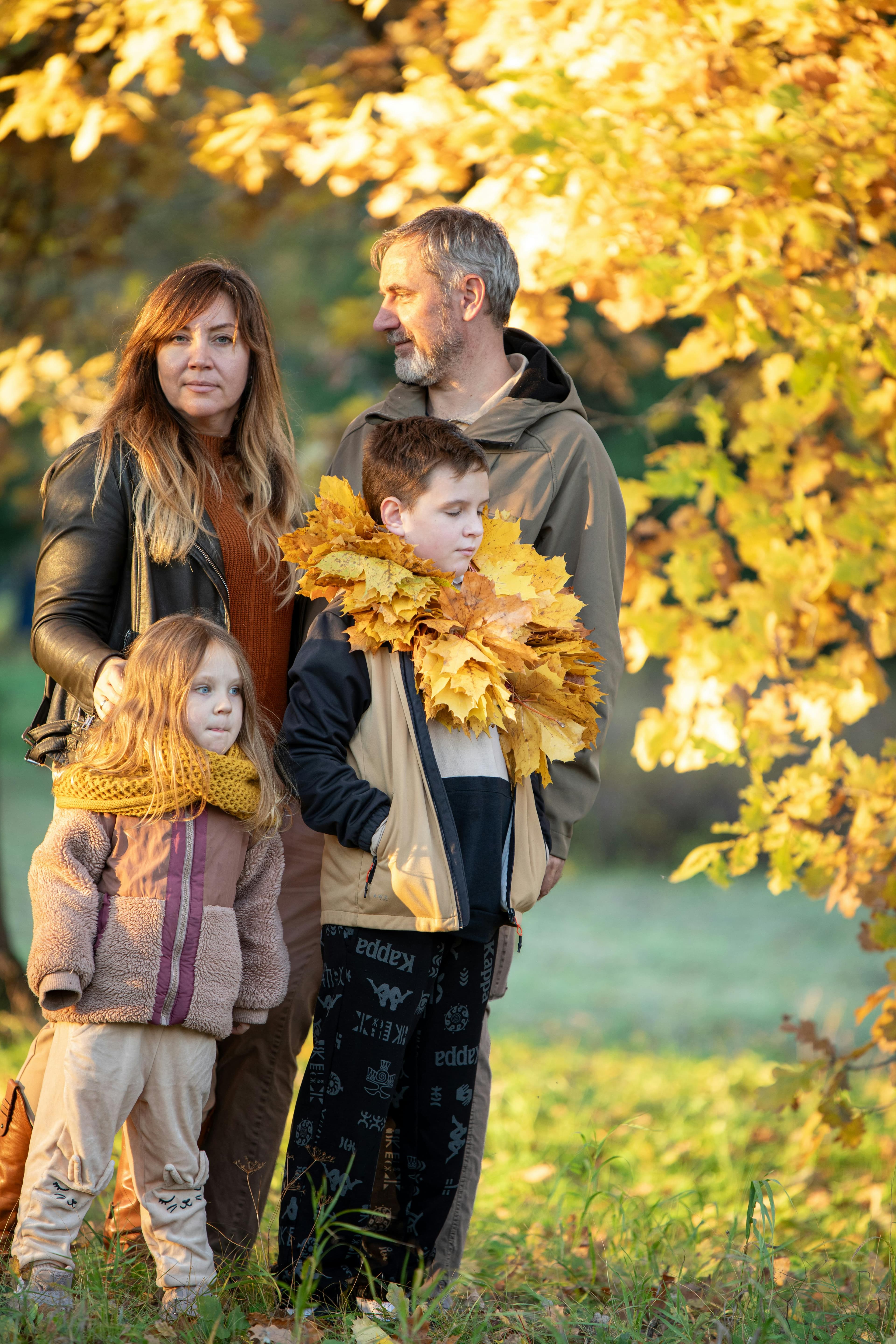
A carefully constructed family health tree is a powerful, low-cost screening tool that helps estimate your child's inherited risks for chronic conditions. By mapping ancestral diagnoses, parents can guide earlier lifestyle interventions and clinical screenings, transforming medical histories into a life-saving narrative.
Understanding how diseases and health conditions cluster within families is one of the most powerful yet underused tools for protecting children’s health across their lifetimes. A carefully constructed health family tree captures the diagnoses that affected relatives, the ages when conditions appeared, and the environments they shared.
When translated into a clear visual map, this information helps clinicians estimate inherited risk for conditions such as heart disease, diabetes, certain cancers, mental illnesses, and rare cardiac disorders. This allows for tailored clinical screening often decades before symptoms would otherwise appear.
At the same time, capturing and preserving this information requires thoughtful handling of privacy, consent, and family dynamics, as well as practical tools to keep data organized. Digital legacy platforms such as MyHeirloom offer a secure way to transform scattered medical notes and documents into an enduring health narrative.
Introduction: why family health trees matter
The idea that disease runs in families is familiar, yet a substantial body of research confirms that many common conditions cluster across generations. Public health agencies estimate that most people have at least one chronic disease in their family history, commonly involving heart disease, cancer, or diabetes.
These associations are particularly important in childhood because they can shift the timeline of prevention and screening. If a condition tends to appear decades earlier than average in relatives, its presence can pull forward the need for medical evaluation in descendants, sometimes by many years. For example, a child whose parent had an early heart attack may benefit from cholesterol checks much earlier.
Family health history is more than a list of diagnoses; it is a compact summary of genetic susceptibilities, shared behaviors, and environmental exposures. Relatives in the same household often share dietary patterns, physical activity levels, and environmental exposures.
These shared factors can amplify or dampen inherited risks, and they can also be modified. While you cannot change your genes, you can change behaviors such as smoking, inactivity, or poor diet, and those with a family history of disease often have the most to gain from such changes. When parents understand these risks, they are better positioned to model healthier habits for their children.
In pediatrics, family health history has been described as an inexpensive, noninvasive screening procedure that can be as informative as many laboratory tests. Clinicians use it to identify red flags such as early-onset disease, repeated pregnancy losses, or multiple relatives with related conditions.
A well-documented family health tree can also support diagnosis when a child presents with unexplained symptoms. Importantly, because many genetic diseases first become obvious in childhood, knowing that a condition exists in the family can prompt early testing and treatment that would otherwise be delayed. This makes mapping ancestors' diagnoses a highly practical strategy.
Despite this potential, many families have never systematically recorded their health history. Those who attempt to do so often keep scattered notes, unstructured documents, or informal recollections that are easily lost or forgotten.
Clinicians likewise face time and workflow pressures that limit their ability to elicit comprehensive histories during short visits. Digital legacy platforms like MyHeirloom address this gap by embedding health information within a broader narrative of family stories, relationships, and important documents. This enables families to preserve both the factual and emotional context of their health history.
The science of inherited risk and family health patterns
Understanding why diseases cluster within families requires disentangling multiple overlapping forces. Heritable factors in the form of DNA variants clearly play a role in many conditions, but they rarely operate in isolation. Shared lifestyles, cultural practices, socioeconomic conditions, and environmental exposures all contribute to what researchers describe as the intergenerational transmission of health.
Genes, environment, and shared behaviors
Family health history can be viewed as a composite indicator of genetic susceptibility and shared exposures, representing mutual health behaviors and values that travel together across generations. Unlike direct genetic testing, which reads specific variants in DNA, family history captures phenotypic outcomes—the conditions that actually manifested.
Researchers emphasize that the relative contribution of heritable and environmental factors varies by condition. While some rare disorders follow clear monogenic patterns in which a single variant confers a high likelihood of disease, most common chronic diseases are polygenic and strongly influenced by lifestyle.
Public health guidance from agencies such as the Centers for Disease Control and Prevention (CDC) underscores that family health history encompasses both genetic and non-genetic elements. Relatives share genes, but they may also share behaviors such as exercise habits, dietary preferences, tobacco use, and patterns of medical care.
They also often experience similar environmental exposures by residing in the same geographical areas. Recognizing that a family carries a high burden of a disease can motivate parents to prioritize healthy habits in their household and seek earlier screening for their children. In this way, the family health tree acts as an early warning system.
Evidence linking family history to specific diseases
Over the past several decades, epidemiologic studies have repeatedly demonstrated that parental and grandparental health histories predict adult disease risk in offspring. These relationships have been most extensively studied in cardiometabolic disease, cancer, and mental illness.
One contemporary study analyzing data across four generations found that histories of obesity, hyperlipidemia, diabetes, and depression in ancestors were significantly associated with the same conditions in early midlife adults. Specifically, maternal grandparent and great-grandparent histories of hyperlipidemia and diabetes predicted those conditions in the fourth generation with high statistical significance.
In mental health, large-scale initiatives have highlighted that children of parents with severe mental illness carry substantially elevated risk for developing mental disorders themselves. By incorporating structured family mental health histories into assessments, clinicians can identify at-risk children earlier and tailor monitoring and support.
Family history is also well recognized as a critical risk factor in oncology. Guidelines recommend that primary care clinicians assess families with histories of breast, ovarian, tubal, or peritoneal cancer using brief risk assessment tools. Those with positive results should then receive genetic counseling and, if indicated, genetic testing.
Inherited heart conditions provide another example. Groups of inherited cardiomyopathies, channelopathies, and aortopathies can cause arrhythmias, heart failure, or sudden death in otherwise healthy individuals. Because these conditions are often transmitted in an autosomal dominant fashion, having one affected parent can confer a 50% chance of inheriting the gene variant.
Family health history also plays an important role in reproductive contexts. Genetic counselors often serve as key partners in this process, helping to identify indications for carrier screening or referral to specialized genetics services. By integrating family health trees into reproductive planning, prospective parents can clarify risks for their future children.
Family history as a low-cost screening tool
From a health systems perspective, family health history is the cornerstone of genetic risk assessment, particularly in primary care and pediatrics. Unlike laboratory-based screening tests, which require physical samples and laboratory infrastructure, family history is obtained entirely through conversation and documentation.
Pediatricians and primary care clinicians are encouraged to collect comprehensive three-generation family histories. In practice, because time constraints limit the feasibility of doing so at every visit, some experts advocate a multimodal approach that combines an initial comprehensive history with periodic updates. For example, evaluations can focus on specific conditions based on current developmental stages.
Red flags in family history that warrant further evaluation include early-onset disease, multiple relatives with related conditions, or unusual patterns like recurrent pregnancy losses. When such features are identified, clinicians can consider additional diagnostic evaluations, enhanced surveillance, or referrals to specialized genetics services.
In the pediatric context, the value of family history is heightened by the opportunity to influence risk trajectories early. For conditions like type 1 diabetes, familial hypercholesterolemia, and certain cancers, early diagnosis can significantly alter outcomes. In this sense, the health family tree functions as a bridge that carries life-saving knowledge to the next generation.
Building a health family tree: concepts and practical steps
Translating the abstract idea of family health history into a usable health family tree requires both conceptual understanding and practical effort. Families must decide which relatives to include, what information to collect, how to represent relationships, and where to store and update the resulting record.
What is a health family tree?
A health family tree, sometimes referred to as a family pedigree, is a visual representation of family relationships across multiple generations annotated with medical information. It adds crucial details such as major diagnoses, ages at diagnosis, causes of death, and environmental exposures to a standard family tree.
Health agencies typically recommend including at least three generations when constructing a health family tree. This means documenting the person at the center, their parents, siblings, children, grandparents, aunts, uncles, nieces, nephews, and first cousins. These relatives correspond to first-, second-, and third-degree relationships, which are informative for assessing genetic risk.
Store your most cherished memories and heritage safely on Heirloom.
Preserve our memoriesCollecting information from relatives
Building a health family tree almost always begins with conversations. The best way to assemble a family health history is to talk to relatives about their health conditions, diagnoses, and experiences, and to record the information systematically.
Key elements to collect include major health conditions, the ages at which those conditions were diagnosed, and causes of death. For many chronic diseases, age of onset is as important as the diagnosis itself, because conditions occurring unusually early in life may indicate a stronger genetic predisposition.
It is also helpful to document relatives' ethnic or cultural backgrounds, particularly if the family includes ancestry associated with higher prevalence of specific genetic conditions. General lifestyle information—such as whether relatives smoked, drank, or had occupational exposures—can also help distinguish between genetic and environmental contributions.
Collecting family health information can be challenging when records are incomplete or relatives are reluctant to share details. Even partial family history is better than none, and families can clarify details by consulting medical records or death certificates when available. Over time, these records can be continually updated.
Platforms like MyHeirloom assist in capturing these conversations and converting them into durable records. Within a Legacy Room, users can create Keepsakes to record interviews, attach scanned documents, and link individual stories to specific health information. This ensures that important details are not lost to time.
Drawing the pedigree and visualizing patterns
Once information has been collected, the next step is to transform it into a structured diagram. In professional practice, this is done by drawing a pedigree, which uses standardized symbols—squares for males, circles for females, and connecting lines for relationships—to depict family structure.
Each symbol is annotated with names, birth dates, major diagnoses, and ages of onset. When the pedigree is complete, it provides a compact visual representation that allows clinicians to quickly scan for clusters of disease or patterns suggestive of heritable risk.
Digital tools can streamline this process by allowing users to enter relatives' information into structured forms and automatically generating pedigree diagrams. These applications guide families through tracking necessary health information and offer convenient sharing features.
Platforms like MyHeirloom present a complementary approach by embedding health details within a broader narrative context. Families can build a Family Tree, attach narrative Keepsakes describing health journeys, and securely store supporting documents in DocuVault. This integrates health data with the richer story of family life.
Tools and digital platforms for recording family health history
The evolution of digital technology has expanded the options available for recording and sharing family health history. At one end of the spectrum are clinically oriented tools designed primarily to support risk assessment and medical decision-making, such as the U.S. Surgeon General's My Family Health Portrait.
In pediatrics, electronic tools have been developed to help families and clinicians identify children's genetic risk factors. Studies suggest that such tools are easy to use and can significantly enhance primary care physicians' ability to detect children who may benefit from further genetic evaluation.
Consumer-facing apps have also emerged to bring family health history tracking into everyday life. These apps guide users through documenting health information for relatives and sometimes provide features that estimate hereditary disease risk.
Broader digital legacy platforms add another dimension by integrating health details into comprehensive family archives. MyHeirloom positions itself as a privacy-first platform where users can construct a Family Tree, build My Tribe profiles, and use DocuVault to securely store sensitive medical records.
By combining technical health tools with narrative and relational features, MyHeirloom ensures that health family trees are not isolated technical files. This makes the information more engaging and meaningful for younger generations to maintain over time.
Using the health family tree for your children's health
Constructing a health family tree is only the first step; its real value emerges when the information is used to guide practical decisions about children’s health. By sharing a well-documented family history with pediatricians, parents empower their healthcare teams to tailor prevention and diagnostic strategies.
How clinicians use family health history for children
Family health history serves multiple functions in pediatric care. At its most basic, it helps clinicians assess a child's baseline risk for common conditions and informs routine preventive counseling, such as lipid screenings or lifestyle adjustments.
Family history is also used diagnostically when children present with unexplained symptoms. If a child experiences fainting episodes, for instance, a history of sudden cardiac death or cardiomyopathy in relatives can guide clinicians toward the correct diagnostic path.
Knowing about a genetic condition in the family can allow for early detection and treatment when a child shows signs of disease. For conditions like type 1 diabetes, familial hypercholesterolemia, and hereditary cardiomyopathies, early diagnosis can significantly alter long-term outcomes.
Additionally, family mental health history plays a critical role in assessing children's psychiatric risk. Clinicians who know that a child has a family history of severe depression or anxiety can monitor for early signs, provide family support, and intervene promptly.
Identifying red flags and high-risk patterns
Not all family histories indicate elevated risk that requires special action. Clinicians look for specific patterns, often termed red flags, that suggest the presence of heritable risk factors. A health family tree makes these patterns easier to recognize.
One important red flag is the occurrence of the same or related health conditions in several closely related individuals. Another is early age of onset, such as breast cancer diagnosed before age fifty or colon cancer diagnosed before the mid-fifties.
Reproductive patterns, such as multiple unexplained pregnancy losses, can also signal underlying genetic issues. Likewise, health conditions in children of closely related parents may prompt evaluation for autosomal recessive disorders.
For families, being aware of these red flags can inform decisions about when to seek medical advice. By maintaining an up-to-date health family tree, parents enable clinicians to identify concerning patterns that might otherwise be overlooked during routine, brief visits.
Screening, prevention, and early intervention guided by family history
The ultimate goal of mapping family health history is to inform actions that reduce risk or improve outcomes. These actions fall broadly into enhanced screening, lifestyle and environmental interventions, and early clinical treatment.
In cardiovascular disease, a strong parental history of early heart disease or stroke is a significant risk factor. Knowing this history can prompt earlier screening for blood pressure and lipids, alongside targeted counseling about diet, exercise, and lifestyle choices.
In oncology, family history directly influences screening recommendations. Women with family histories suggestive of hereditary breast and ovarian cancer syndromes may start screenings earlier and use different diagnostic modalities than average-risk individuals.
For rare inherited heart conditions, family history can trigger cascade testing and clinical surveillance. Identifying affected children before they develop symptoms enables interventions such as medications or lifestyle modifications that reduce the risk of sudden cardiac events.
Lifestyle and environmental interventions are particularly effective in families with strong cardiometabolic risk. Because conditions like type 2 diabetes are strongly influenced by modifiable factors, early awareness prompts families to adopt healthier routines together.
Digital platforms support these interventions by helping families track and reflect on their health patterns over time. Within MyHeirloom, families can create Keepsakes documenting lifestyle changes, reinforcing the narrative that genetic risk is not destiny and that proactive steps can alter outcomes.
Special situations: adoption, assisted reproduction, and fragmented families`
Not all families have equal access to detailed health history information. Adopted children, donor-conceived individuals, and those from fragmented or estranged families may face significant gaps in their knowledge of biological relatives' health.
For adopted children, public health agencies suggest obtaining family health history from birth parents whenever possible. If biological health information is unavailable, clinicians rely more heavily on population-based screening recommendations and closer clinical monitoring.
In assisted reproductive settings, guidelines recommend reviewing personal and family histories for both intended parents and donors. Preserving donor health information is crucial for future offspring, who may later seek to understand their biological risk profiles.
Fragmented or estranged families can focus on documenting what they do know, noting gaps explicitly, and updating their trees as new information emerges. Even partial histories can reveal meaningful patterns that help clinicians guide healthcare decisions.
Create a digital legacy that your children and grandchildren will be proud of.
Create a family legacyMyHeirloom’s Patron Accounts allow users to create Legacy Rooms for others, such as children. In situations where a child's health history is complex due to adoption or donor conception, parents can use these accounts to curate the child's evolving health narrative, transferring ownership when they grow up.
Privacy, ethics, and family dynamics in sharing health information
Recording and sharing family health history raises important questions about privacy, consent, and interpersonal dynamics. Health information is inherently sensitive, and individuals have different comfort levels with disclosing their diagnoses or risk factors.
Privacy laws, rights, and responsibilities
In many jurisdictions, personal health information is protected by strict privacy laws. Under these frameworks, healthcare providers and insurers must implement robust safeguards to protect health data and cannot share it without explicit permission.
While these laws regulate formal healthcare entities, they do not govern private sharing within families. Family members are free to disclose their own diagnoses, but they cannot compel others to share their medical histories, and clinicians must respect individual confidentiality.
Digital platforms handling health-related information must prioritize data security. MyHeirloom positions itself as a privacy-first platform, ensuring that users maintain absolute control over who sees their information and what remains entirely private.
Its DocuVault feature adds an extra layer of security for particularly sensitive documents, requiring a specific password and limiting active session duration. Trusteeship features allow users to designate trusted individuals who can access this critical health data only when verified, balancing lifetime privacy with long-term accessibility.
Navigating consent and family boundaries
Ethical questions naturally arise when documenting and sharing information about other family members' health. Because a family health tree contains details about multiple relatives, professionals stress the importance of approaching these conversations with sensitivity and respect.
When asking relatives about their health, it is best to explain that the information will help protect future generations. At the same time, relatives must always have the option to decline or to share only general details rather than specific diagnoses.
Digital platforms must support these boundaries. When storing sensitive health details about living relatives on MyHeirloom, users should ensure those relatives are comfortable with the information being recorded, keeping entries private by default.
Emotional and cultural considerations
Health family trees can evoke strong emotions, ranging from anxiety and grief to relief and empowerment. Cultural beliefs about illness, fate, and genetic determinism heavily shape how family members interpret and share health patterns.
Professionals recommend framing family history as a tool for proactive prevention rather than a predetermined destiny. Highlighting stories of family resilience and successful health management reinforces the idea that health knowledge is a positive, empowering tool.
MyHeirloom’s integrated design helps families capture these narratives. By pairing health data with family recipes or stories of resilience, the platform ensures that the family health tree is situated within a broader, supportive legacy of care.
Integrating health family trees into a broader legacy: the role of platforms like MyHeirloom
While the primary purpose of a health family tree is to support preventive care, it also has enduring value as part of a family’s broader legacy. Stories of how ancestors faced illness and supported one another can be deeply meaningful to descendants.
From isolated files to meaningful legacy
Ordinary digital storage solutions are designed primarily for file management, lacking structures to represent relationships, timelines, or context. As a result, important medical records often sit next to unrelated files, losing their intergenerational meaning.
MyHeirloom proposes a different paradigm, framing the digital archive as a structured Legacy Room. Features like Keepsakes, Life Timeline, My Tribe, Family Tree, and DocuVault allow users to align health events with other major life milestones.
By design, this approach helps people turn scattered medical documents and memories into an organized, secure, and meaningful family heirloom. Children can see not just a clinical diagnosis, but the personal stories, adaptations, and wisdom passed down beside it.
How MyHeirloom can support family health history
Several specific features of MyHeirloom lend themselves directly to building and preserving health family trees. The Family Tree builder allows users to map biological, adoptive, and blended family structures to serve as the relational backbone of a health history.
Kekeepsakes provide a way to document health events as stories rather than raw data points. Parents can record personal health journeys or attach medical care plans, which automatically map onto the Life Timeline to provide a chronological view of family health.
DocuVault plays a crucial role in securely preserving formal health documents, such as genetic test reports or advance directives. Designed with extra security features like session timeouts and password protection, it ensures sensitive medical information remains highly secure.
Weaver, MyHeirloom’s storytelling guide, assists users who feel uncertain about how to write about health-related experiences. Additionally, Trusteeship and Patron Accounts ensure long-term continuity, allowing designated family members to securely manage and pass down these vital records to future generations.
Case example: a family using a health tree to protect children
To illustrate, consider a family where the great-grandfather died suddenly in his fifties from a vague heart problem, and the grandmother developed cardiomyopathy. The father has been told he has a thick heart, but the family has never systematically recorded this history.
Motivated to protect their children, the parents gather details from relatives and discover a pattern of inherited hypertrophic cardiomyopathy. They construct a health family tree and share it with their pediatrician, who immediately refers the family to a specialized cardiac clinic.
Clinical evaluations and genetic testing identify the condition in the father and one of the children. Although the child is asymptomatic, early detection allows for cardiac monitoring and activity guidelines, preventing potential sudden cardiac events.
Parallel to their clinical journey, the parents preserve this vital history in MyHeirloom. They build a Family Tree, attach narrative Keepsakes with audio interviews of the grandmother, and upload cardiac test results directly into the secure DocuVault.
Over time, this record helps the children grow up with an empowered, proactive understanding of their health. When they reach adulthood, these preserved documents provide a clear, accessible foundation for their own medical decisions and future families.
Conclusion
Health family trees occupy a unique intersection between medicine, memory, and legacy. By systematically recording family health history, parents and clinicians gain a powerful tool for predicting risk, guiding proactive prevention, and securing earlier diagnoses.
For children, the benefits of mapping ancestors' diagnoses are profound. Understanding these patterns allows parents to adopt healthy lifestyle habits and clinical screening schedules early, shifting the trajectory of inherited risk when habits are most malleable.
While technical clinical tools are essential, digital legacy platforms like MyHeirloom add distinctive human value. By integrating relational trees, secure document vaults, and personal narratives, MyHeirloom transforms clinical health data into an empowering family legacy.
Ultimately, documenting your family's health patterns is an act of care that carries forward resilience, wisdom, and love. By building and preserving a health family tree, parents create a secure foundation that protects their children's futures while keeping them deeply connected to their lineage.
Begin preserving your family's health narrative today
Mapping your family's health patterns is a profound act of care that can protect your children's future. Start building your secure Legacy Room on MyHeirloom today for free, and begin organizing your memories, documents, and family stories in one private, protected space.

MyHeirloom gives you a dedicated Legacy Room—a private, secure space to collect photos, videos, documents, and stories.
Start now for free